
For most people, your home represents your single largest investment. However, we know a home is more than that. It’s Sunday morning pancakes, homework at the kitchen table, birthdays, college acceptances, anniversaries – you get where I’m going with this. But once you boil it down, your home is all that AND has the power to make or break your future financially.
This makes your home not only one of the biggest investments, but also one of the most interesting. Yes, your home is a financial asset, but it’s also the place you raise your kids, the place where you can express yourself and curate a lifestyle and aesthetic to be proud of.
Which is why every decision you make about your home must be considered and well-thought-out. In over 20 years in real estate, design, and building, I’ve been there, done that with so many trends and markets. And with each new cycle, I’m taking notes and applying them so future generations can make the best decisions.
So here’s what I’ve learned over the past 20 years about design and home value.
First, My Credentials
You might wonder why I’m so uniquely qualified to speak about this. Well…
It all started at the tender age of 8 when my mom was in charge of colour charts on the new home sites that my dad worked on. My parents both loved real estate, and as an only child I was brought along for the ride. I grew up in a home where we were constantly changing floors, wallpapers and cabinets to suit the current design aesthetic – it was hard NOT to pay attention.
My university degree in multimedia and postgraduate diploma in advertising and marketing helped me hone my design skills and to understand how people perceive beauty. I’ve always been interested in improving the space I’m in to induce feelings of calm and sophistication.
Travelling the world through my 20s and 30s helped me absorb influential styles and functions from a variety of cultural backgrounds – I pull them out for inspiration when needed.
For the past 8 years, I have been taking the lead on renovation projects for clients who need to both sell and purchase. Coming up with ideas, taking them to finishing warehouses, doing digital mockups, and connecting them to the best trades has been a rewarding part of my profession.
Even beyond my professional expertise, I’ve renovated and sold homes in the past. Check out my renovation story (complete with before & after photos!)
Perceived Value Vs. Real Value
How much do you think a colour-drenched room vs. a white room will fetch you in a 2026 Toronto home sale? The answer is thousands.
Real value is in the shape, the condition, the location and the size, but aesthetics can be put in the “perceived” folder.
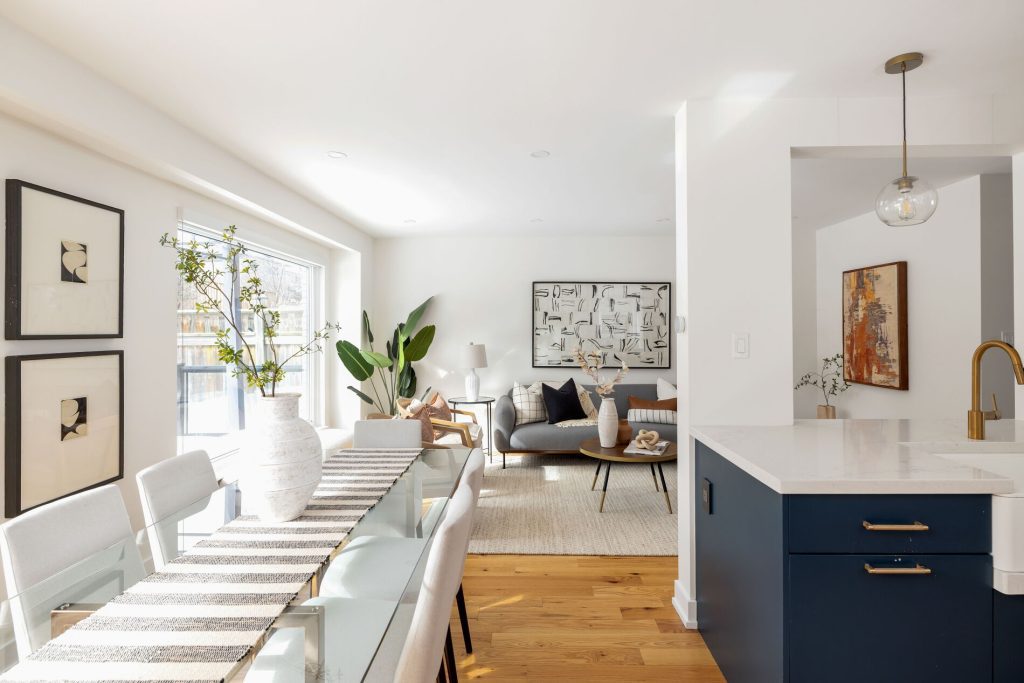
When I visit a home for the first time, I assess what it needs for a sale to be successful. Do I need to create a missing ambience, should I paint the cabinets or change the hardware? Renovating for sale and then staging the property to an appropriate taste is standard for me. I renovate over 50% of the homes I sell before listing and it’s obvious what kind if impact that has on the prospective buyers’s eyes.
On the flip side; when helping buyers decide on a house I help them look past paint, ugly countertops and awkward styling – I should them what the home COULD look like with my help post-sale.
Love It, or List It In Real Life
An interesting premise for a show because it so closely aligns with a real dilemma homeowners have. Should you renovate your home before selling? Sure, there’s always a risk that you go through with a reno only to decide that you actually have fallen back in love with your house. But for most people, the renovation is just a symptom of wanting to truly maximize your sale.
Every Realtor and their brother will have a laundry list of “renovations that have the best ROI when selling a home.” But it’s not just about throwing money at a new kitchen and hoping it results in a higher offer when you sell.
There’s nuance and strategy that takes time to understand.
It’s quite obvious when a home needs a new kitchen or bathroom, but what about the other less-obvious things? In Toronto, we find small closets in older homes that can be doubled in size if we take from the adjoining wall and add. We can install IKEA wardrobes and do custom filler pieces to make it look fully bespoke.
Sometimes a kitchen has a great shape but a terrible colour and dated hardware… with a few thousand dollars I can make it look brand new.
Your powder room: let’s wallpaper it and grab a new vanity – we can always have the vanity sprayed a funky colour to look custom. There are dozens of different ways to improve without dumping too much money in before the home sells.
Speaking of breaking the bank: for qualified sellers, I have a 25k interest-free loan program to help those who need it. I would rather have some skin in the game and increase the chances of a successful sale than tell you that everything looks fine (even when it doesn’t).
For more insights on the best renovations when selling your home, check out these posts next:
- Should I Paint My Home Before Listing it For Sale?
- What Value Do Kitchen Renovations Bring to My Home Sale?
It’s Also All About the Execution
Telling someone to do something is a lot different than stepping up and getting it done. Sure, you can tell a homeowner that shaker cabinets would look great in their kitchen, but that update is really only going to add value if it’s well-executed.
For me, DIY means “don’t initiate yourself”. I have yet to see a homeowner (that isn’t already the specialized trade) complete a home reno task better than one of my professionals.
When we are creating a plan for your renovation, the trades and their time commitments are a major factor.
Here’s a recent situation I was called upon to do.
A woman who lives by Monarch Park called me to come take a look at her place. She wants to change things to taste while maximizing sale potential in the next 3-5 years.
While viewing the home, I saw numerous ways to create additional space in the home. I found techniques to make the home more interesting and suggested changing small things she did not think were affecting the overall appearance.
We made a list of things to be done, and I roughly priced them out. I understood that her 100k budget would need to account for some bigger items.
The next thing on my list is to contact the right tradesmen and general contractor to oversee some of the bigger items.
I can take care of the flooring guys and the tiler; I can have my handymen change lights and put together built-in wardrobes. We can do this without the expense of a GC billing us for overseeing.
When homeowners find out how much they can save if they use me to coordinate, they aren’t reluctant to move forward with my suggestions.
Executing a successful renovation starts with planning, planning, and more planning. Check out my 6-part renovation guide for everything you need to plan a flawless home reno.
Trendy Vs. Timeless: Which Is Better?
Like all things in life, there is no completely right or wrong answer. The truth usually ends up being somewhere in the middle. Combining timeless updates with touches of trendy decor is usually a winning combination.
But it’s also a fine line to walk unless you’re someone with your finger on the pulse of design and decor.
Guess what people love? Millwork.. And there isn’t nearly enough of it in today’s design. Stylish storage never gets old ( and when it does, it gets even more love).
Guess what people hate but can’t quite determine what it is they are hating.. Lighting. Overuse of high lumens or too many pot lights can leave people feeling drained without knowing why.
Keeping a pulse on current design is one thing, but understanding the psychology of enjoyable living is another.
We can easily use the right colour palettes, stone types and hardware choices, but making a space feel welcoming and warm is what makes for a lifetime of enjoyment.
What Do Home Buyers Want?
Working with a real estate agent who works with buyers and sellers is an amazing advantage because you’re getting a wide breadth of expertise and a direct line of communication to home buyers in general.
While the details might change from year to year, there are a few things buyers consistently look for in a home.
- Sizeable kitchens
- Stylish/spa like bathrooms
- Adequately sized primary bedrooms
- Well-designed storage spaces
- Appropriate lighting
- Full-height basements
- Backyard privacy
On another level, in 2026, I’ve noticed a few trends in what homebuyers love and what they’re leaving behind.
- Stone Fireplace mantels
- Built in bookshelves/Millwork
- Counter-to-backsplash stone work
- Standalone tubs
- Colour-drenched rooms
- Low lighting
- Composite decks and artificial grass
Learn more about buyer-approved home styles and features with these posts next:
- What to Know About Victorian Homes in Toronto
- Block Vs. Poured Concrete: Which is the Better Home Foundation?
One Thing Will Never Go Out of Style
Of course, the saying in real estate is ‘location, location, location,’ but if I had to pick the second most ubiquitous thing homebuyers look for, it’s space. They really can’t get enough of it. Just look at a couple of the most interesting and unique building trends we’ve seen pop up in Toronto over the past decade: garden suites and iceberg homes.
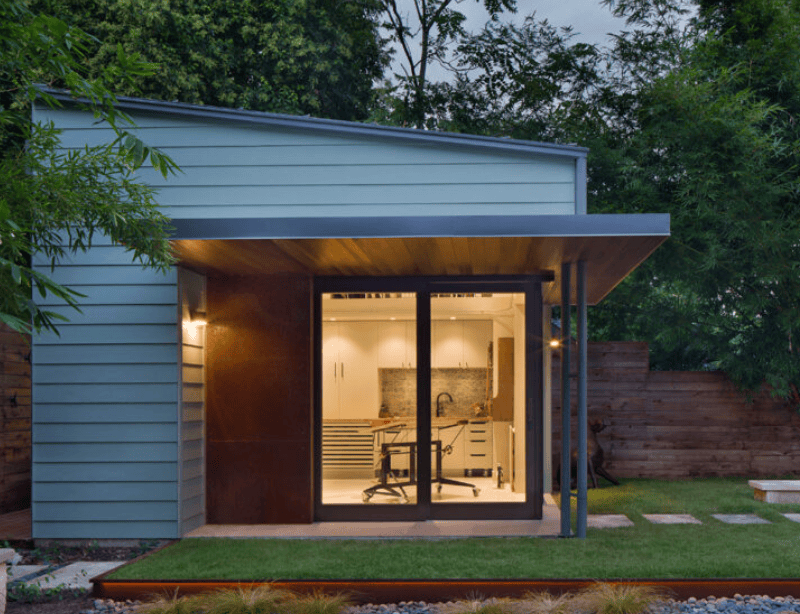
Garden suites, in allowable spaces, are an incredible way to enhance your property. Whether you’re using it for a home gym, an office or a full ancillary suite for a family member, it’s something you won’t regret doing. I’m building one for my mom at the moment, and it has come with some interesting views from neighbours. Doing things correctly and courteously will help with future interactions when walking your dog!
An iceberg home is a tackle only made for those with large appetites for risk and reward. Iceberg homes are those that have a sizeable part of the underground excavated and added to the below-grade floor area. This, for now, doesn’t have a ton of building code legislation behind it, but I’m assuming it will be more regulated with more research and time.
Creating more space in your home is a great idea. In fact, I’m currently in the process of building a garden suite for my mom.
More Resources For Renovators
If you’re renovating your home to sell it, you obviously want to get the best return on your investment. At the end of the day, you want to increase the value of your home without overspending on the updates.
Anyone who has undertaken a renovation project knows how quickly things can get out of control, which is why it’s important to be aware of all the resources and perks you can.
Whether it’s Toronto renovation rebate programs or an interest-free loan from your favourite Toronto real estate agent, any little bit helps to ensure you’re really maximizing things.
Like I’ve always said, “working with me will save you time and money,” and this applies when we’re talking renovations as well. My connections to trade pricing for materials, furniture, and trades are something you couldn’t secure on your own. I have a passion for helping you achieve your renovation goals and will pull whatever favours I need to get it done.
See my work in action; read this case study about how I helped a client add over $85k in market value through renovations.
The First Step – Call a Pro
If you’re interested in renovating your home to sell it, don’t start knocking down walls and painting vanities without chatting with an experienced Toronto real estate agent first. While you may only undertake a home renovation once or twice in your lifetime, I do it almost every day, and I can apply 20+ years of learning to your home sale.
You can get in touch with me by booking an appointment, requesting a home evaluation, or, if you’re looking for immediate assistance, you can text me or call me directly.